
国考
China central bank reform plan targets high-level financial opening-up_我的网站

一 | Sydney, Oct 17 (UNI) Australian gambling giant Star Entertainment Group has been fined $62 million for failing to stop money laundering at its Sydney casino.
The group's licence to operate the casino has also been suspended. The record penalties were announced in response to a damning inquiry in New South Wales (NSW) earlier this year, the BBC said.
The fine announced on Monday is the maximum allowed, but the regulator stopped short of removing Star's licence altogether, to protect thousands of jobs. Under the conditions of the suspension, the casino will still operate under a manager appointed by the regulator.
From Friday the Star will not be able to run the casino on its own until it can "earn" its licence back, NSW Independent Casino Commission chief Philip Crawford said.
The inquiry earlier this year led to the resignations of Star's former chief executive Matt Bekier.
Its final report, handed down last month, found the Star was not fit to hold a casino licence in NSW.
Casino operators in Australia have been under great pressure to reform their gambling operations following reports of widespread criminal activity.
A public inquiry earlier this year heard the Star had allowed money laundering and organised crime to infiltrate their Sydney casino, taking a "cavalier" approach to governance and at times making deliberate steps to cover its tracks.
In response to the report, the Star Entertainment Group said it had taken "significant and urgent remedial steps" and would do "whatever necessary" to restore its suitability to run the casino.
The Star entered a trading halt on Monday morning, which is set to last until Wednesday.
After a similar inquiry in Queensland, The Star was earlier this month also found unsuitable to run its three casinos in that state.
Media investigations have aired allegations of misconduct at various casinos around Australia in recent years, including at those owned by the country's largest gaming and entertainment group - Crown Resorts.
UNI ING。

二 |
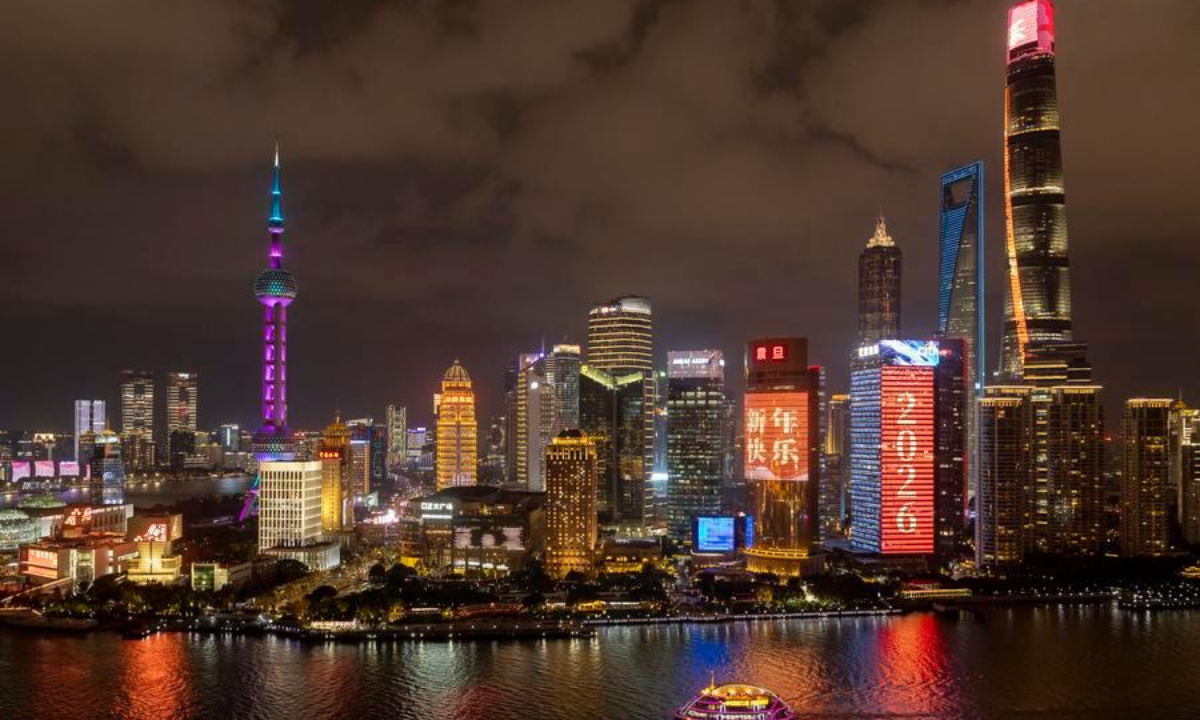
The plan said measures will be taken to "prudently advance high-level financial opening-up," noting efforts will be made to expand the global use of the renminbi in international trade, investment and financing, deepen two-way financial market access, quicken steps to build Shanghai into an international financial center and enhance the role of Hong Kong as a global financial center.
As part of the opening-up drive, the PBOC will enhance the multi-tiered and broad-coverage Cross-Border Interbank Payment System (CIPS) and push forward the development of offshore renminbi markets.
On the domestic monetary policy front, the plan sets out to build a more scientific and robust framework by refining the modern monetary policy system with Chinese characteristics, improving the base-money issuance mechanism, and making better use of both aggregate and structural tools.
It stresses the need to enhance market-based interest rate formation, transmission, and adjustment mechanisms, while allowing the market to play a decisive role in exchange-rate determination and keeping the renminbi broadly stable at a reasonable and equilibrium level.
To fortify financial stability, the central bank will expand the coverage of macro-prudential management, enrich its policy toolkit, and establish a monitoring and evaluation system to mitigate systemic risks in key areas.
A major pillar of the plan is to strengthen the real economy's access to quality financial services. The PBOC has pledged to build a precise and effective policy system to support major strategies, key sectors, and address weak links. This includes developing a financial system tailored to scientific and technological innovation. It also aims to enhance green and low-carbon financing, expand inclusive finance, improve the pension finance system and accelerate digital finance.
Looking ahead to the 2026-2030 period, the PBOC says it will ensure all measures in the plan are executed effectively to boost China's strength in finance and support high-quality economic development.
。
Current article:http://my16zr.chuanshaonianmokuanchouzhei.sbs/3zx/khyf.html
Published on:12:19:47
下一篇:三星在一个用户界面上的文章意外地揭示了Galaxy S10开口的设计。
 世界杯预选赛中国男篮不敌澳大利亚队
 台湾“九合一”选举百日倒计时 选民人数达1965万 首投族破60万
 美特使:以色列空袭毗邻土耳其边境的叙利亚军事设施,目的是“引诱”土耳其掀起新一轮冲突;以外长否认:无意升级紧张关系
 यूक्रेन के हमलों के बाद रूस का भयंकर पलटवार, कीव में ईयू और ब्रिटेन के भवनों पर मिसाइल हमला कर किया क्षतिग्रस्त
 从1万行到4000万行!Linux诞生35周年:代码翻了4000倍
 部分Pixel 7 Pro用户反馈滚屏体验问题 系统更新或可缓解
- ·节后行情怎么走,机构这样说。全球流动性收紧预期升温,LPR仍有调降可能。四季度稳增长板块或有机会_政策性金融_经济
- ·最新研判:台风“白海豚”可能在苍南到象山一带沿海登陆!杭州机场发布重要提醒:部分航班可能延误或取消
- ·辽宁鸿邦:环保滤布界的“智能工匠”
- ·大扰流板+三辐式轮圈 eπ007 Ultra?东风奕派eπ007新车型申报
- ·《死神 千年血战篇 祸进谭》最新话IMDb评分10分 久保带人亲自监制
- ·威少宣布退役 马刺官推送上人生新阶段祝福
- ·谱写新时代抚顺文艺锦绣篇章
- ·福州五区随迁子女学位余额公布!网络填报即将开始!
- ·不止于“能干活”:智能体如何跨越数据、可靠性与回报的鸿沟?|2026WAIC财经下午茶
- ·交通运输部:推进交通基础设施更新和数智化改造,大力发展智慧交通
- ·서울시, 불꽃축제 앞두고 호텔 ‘바가지 요금’ 단속…위반 시 영업정지
- ·NBA新赛季真正能夺冠的只有这5队
- ·北京中学诚聘教师
- ·2026中国网络媒体足球精英赛赛程公布
- ·桃李面包:打通产研销全链路,构建烘焙发展新优势
- ·“齐鲁访学驻研计划”广邀国际学者赴鲁开展学术交流
- ·大乐透第26085期开2注一等奖
- ·GTA6被泄露成筛子 为啥没一个玩家心疼R星?
- ·Indonesia bans syrup medicines as children die
- ·机票退改新标准计划年内出台,中国航协正牵头制定
- ·今年第二个龙年龙月龙日龙时 四龙再次聚首快来接好运
- ·消息称华为 Pura X View 阔直板手机搭载麒麟 9030S 处理器,现阶段全系采用 12GB 运存
- ·Record fine for Aus casino operator over money laundering
- ·中国假期制度75年变迁:单休改双休用了45年,除夕重回法定假期
- ·Apple iOS 16 现已推出:您应该了解的每一项新功能_消息_iPhone
- ·Kaushal Kishore: Emraan Hashmi Is Known for His Songs- Kaushal Kishore Talks About Working on Haq
- ·加码光芯片、光模块!PCB巨头大幅上调投资额!
- ·辽宁省启动“万医轮训”项目
- ·India Australia talk Ukraine
- ·辽宁593家企业参加第135届广交会
- ·「ヤバいくらい美少女」だった人気子役→突然の活動休止も…31歳現在の姿が「美しい」「素敵」福田麻由子に反響
- ·LATAM航班高空惊魂:飞机剧烈晃动,乘客被抛向空中,有人浑身是血